Upper Abdominal Pain (Biliary Colic)
Episodic pain in the upper right abdomen or centre, often occurring after fatty meals. Can radiate to the right shoulder or back.
Call : 191 767 898
Adults develop gallstones
Keyhole surgery success rate
Return to normal activities
Home same day, no overnight stay
Gallbladder problems most commonly arise when gallstones form. These are solid deposits of cholesterol or bile salts that can vary in size from a grain of sand to a golf ball. They can obstruct the flow of bile and cause a range of symptoms from mild discomfort to serious complications requiring urgent treatment.
Solid deposits that form in the gallbladder. Many people have gallstones without symptoms. When symptoms occur, they typically include episodes of upper abdominal pain, particularly after fatty meals.
When gallstones cause obstruction or infection, complications such as cholecystitis (inflamed gallbladder), bile duct blockage, or pancreatitis can develop. These require prompt specialist assessment.
Symptoms can range from mild and intermittent to severe and requiring urgent attention. Common presentations include:
Episodic pain in the upper right abdomen or centre, often occurring after fatty meals. Can radiate to the right shoulder or back.
Often accompanies episodes of abdominal pain, particularly following a fatty or rich meal.
Persistent bloating, wind and general upper abdominal discomfort, particularly after eating.
Yellowing of the skin or whites of the eyes, indicating a stone has passed into the bile duct and is causing obstruction.
High temperature with shaking chills, suggesting infection of the gallbladder (cholecystitis) or bile duct (cholangitis).
Severe central or upper abdominal pain radiating to the back, indicating a gallstone has migrated and triggered inflammation of the pancreas.
Accurate diagnosis is essential to identify the nature and extent of gallbladder disease and to plan the most appropriate treatment. I take a systematic approach to assessment.
A detailed account of your symptoms, their pattern, and any associated factors. Physical examination to assess for signs of tenderness, jaundice, or infection.
The first-line investigation for suspected gallstone disease. An abdominal ultrasound can identify gallstones, assess gallbladder wall thickness and detect bile duct dilatation, all of which guide further management.
Liver function tests, inflammatory markers and amylase levels to assess for bile duct obstruction, infection or pancreatitis.
If there is suspicion of stones within the bile duct (choledocholithiasis) or other complications, a Magnetic Resonance Cholangiopancreatography (MRCP) or CT scan may be arranged to provide detailed imaging of the biliary system and surrounding structures.
Gallstones do not dissolve on their own. Once symptomatic, the definitive treatment is surgical removal of the gallbladder. Mr Kumar specialises in minimally invasive robotic and laparoscopic techniques that offer the best outcomes for patients.
Not all gallstones require immediate surgery. For patients with incidentally discovered, asymptomatic gallstones, a period of watchful waiting with dietary modification may be appropriate.
Laparoscopic (keyhole) cholecystectomy is the surgical removal of the gallbladder using small incisions and a camera. It is the gold standard treatment for symptomatic gallstone disease and is performed under general anaesthetic as a day case or with a single overnight stay.
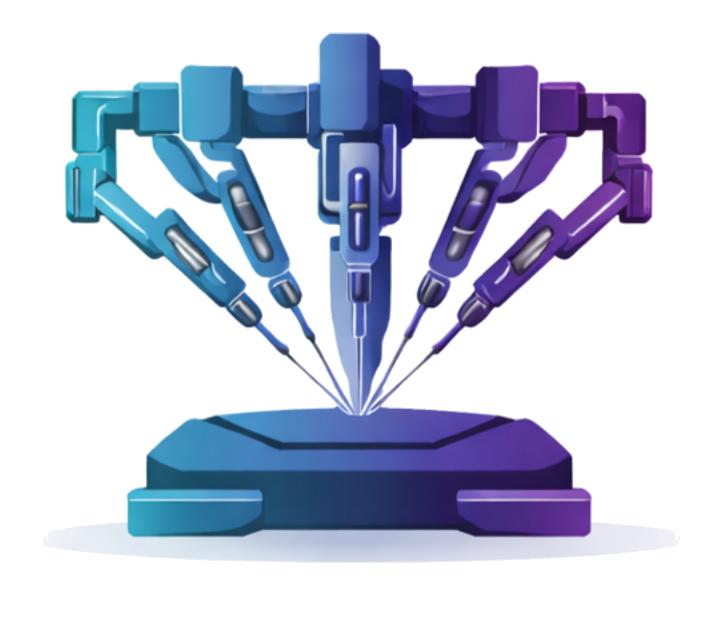
Mr Kumar is a specialist in robotic surgery and offers robotic cholecystectomy as an advanced alternative to standard laparoscopic surgery. The robotic platform provides enhanced three-dimensional visualisation and greater instrument precision, which is particularly advantageous in complex cases.
If stones have passed from the gallbladder into the common bile duct, a procedure called ERCP (Endoscopic Retrograde Cholangiopancreatography) may be required prior to or alongside cholecystectomy to clear the bile duct.
Gallbladder disease can present with a wide range of severity, from straightforward symptomatic stones to complex situations involving bile duct obstruction or infection. Specialist assessment ensures the correct diagnosis and the safest, most effective treatment plan for your individual circumstances.
Mr Kumar is a fellowship-trained robotic surgeon with advanced skills in minimally invasive cholecystectomy, including complex and high-risk cases.
Each patient receives a bespoke treatment plan taking into account their symptoms, imaging findings, medical history and personal circumstances.
Most patients are seen within days. Early assessment and treatment prevents complications and reduces the risk of emergency admission.
Expert gallbladder care with minimally invasive surgery and a rapid recovery. Book a consultation with Mr. Lalit Kumar today.
Gallbladder & Gallstone Anatomy
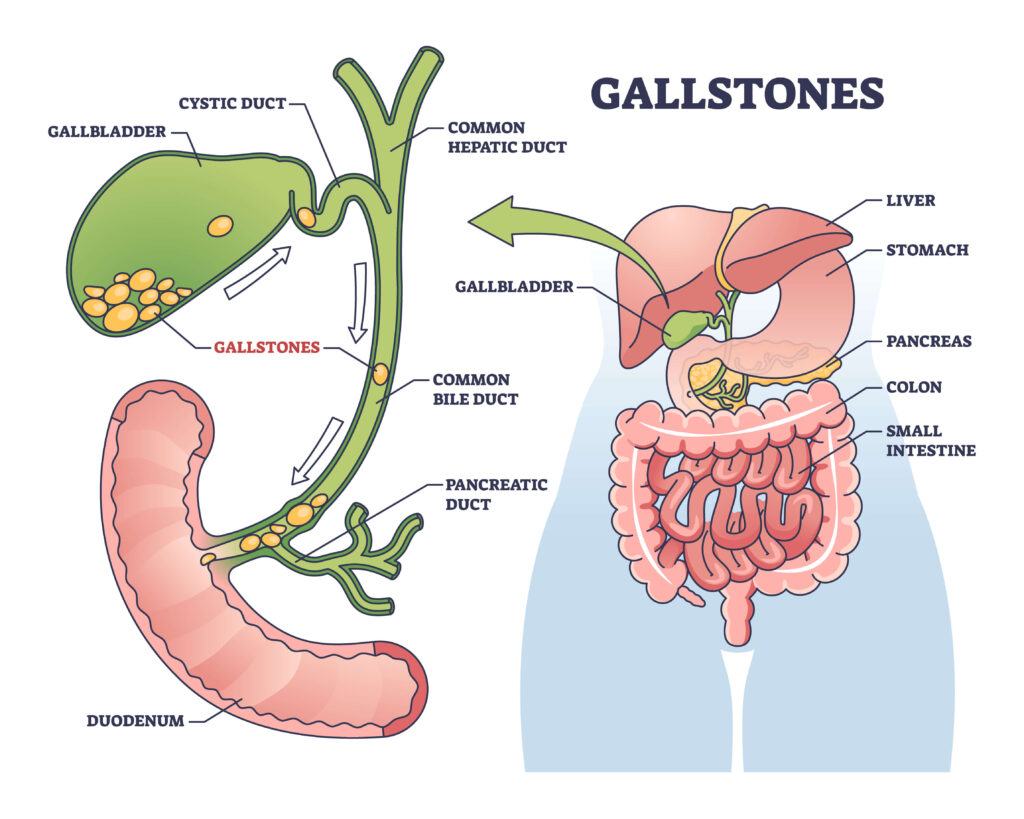
Gallstones, solid deposits causing pain and obstruction
Duodenum and pancreatic duct, affected by stone migration
Specialist opinion when it matters
Appointments typically within 3–5 working days.
Delivering high quality, patient-focused care
© 2025 West Midlands Surgical Centre. All rights reserved. · Privacy Policy · Terms & Conditions This website provides general information only and does not constitute medical advice. Always consult a qualified clinician.