Call : 191 767 898
By Mr Lalit Kumar
Gallstones are one of the most common digestive conditions in the UK, affecting around one in ten adults. Many people live with gallstones for years without realising it, they are often discovered incidentally on an ultrasound performed for another reason. However, once gallstones start causing symptoms, they tend to become progressively more troublesome and carry the risk of serious complications.
Gallstones are solid deposits that form in the gallbladder, a small, pear-shaped organ beneath the liver that stores bile. Bile is a digestive fluid produced by the liver and used to break down dietary fats. Gallstones form when the chemical composition of bile becomes imbalanced, causing cholesterol or bile salts to crystallise into stones ranging in size from a grain of sand to a golf ball.
Risk factors include obesity, a diet high in refined carbohydrates and low in fibre, rapid weight loss, female sex, age over 40, and a family history of gallstones.
Asymptomatic gallstones require no treatment. Symptoms develop when a stone obstructs the flow of bile, typically causing:
The first-line investigation is an abdominal ultrasound, which reliably identifies gallstones and assesses the gallbladder wall and bile duct. Blood tests including liver function tests and amylase assess for bile duct obstruction or pancreatitis. If stones in the bile duct are suspected, an MRCP (Magnetic Resonance Cholangiopancreatography) provides detailed imaging of the biliary tree.
The definitive treatment for symptomatic gallstones is surgical removal of the gallbladder, cholecystectomy. Gallstones do not dissolve on their own, and dietary modification alone does not prevent further episodes or complications. Removing the gallbladder is safe and effective, patients live entirely normally without it, as bile flows directly from the liver into the small intestine.
The operation is performed laparoscopically (keyhole surgery) under general anaesthetic as a day case or with a single overnight stay. Three or four small incisions are made in the abdomen, and the gallbladder is removed using a camera and fine instruments. The operation takes 45 to 90 minutes and most patients return home the same day.
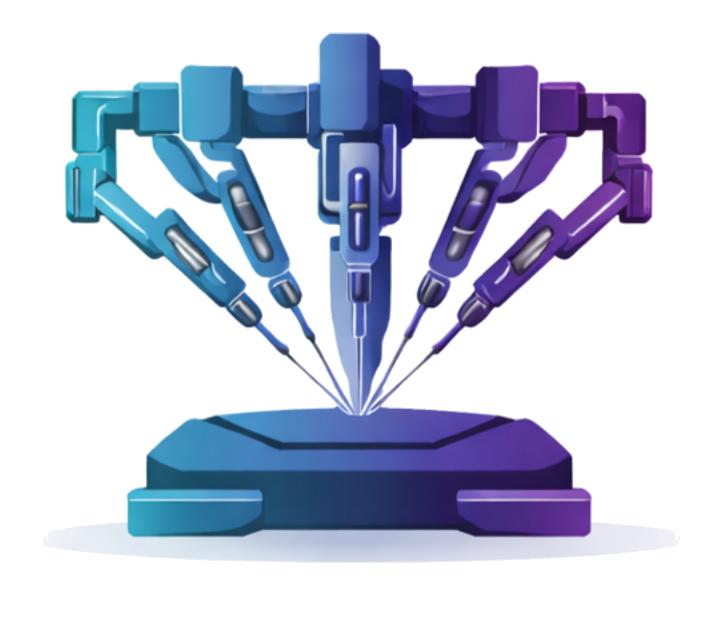
For complex cases, including severe cholecystitis, obesity, or previous abdominal surgery, robotic cholecystectomy offers superior three-dimensional visualisation and greater instrument precision, making the procedure safer in technically demanding situations.
Recovery after laparoscopic cholecystectomy is rapid. Most patients return to light activities within one week and full activity within two to four weeks. A small proportion of patients experience loose stools or digestive adjustment in the weeks after surgery, which typically resolves with a temporarily low-fat diet.
If you are experiencing symptoms that might be related to gallstones, an early specialist assessment will confirm the diagnosis and allow timely, safe treatment before complications develop.
Expert surgical care with prompt access. Most patients seen within 3 to 5 working days.
Delivering high quality, patient-focused care
© 2025 West Midlands Surgical Centre. All rights reserved. · Privacy Policy · Terms & Conditions This website provides general information only and does not constitute medical advice. Always consult a qualified clinician.